
How Kentucky Farmers Market Vendors Can Get More Customers After the Event Ends
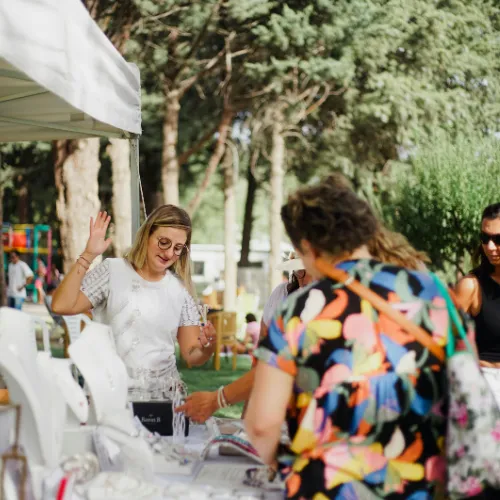
If you sell at farmers markets, craft fairs, city markets, festivals, pop-up events, or local vendor shows in Kentucky, you already know how much work goes into one market day. You load the car, pack the tent, organize the table, prepare the products, set everything up, talk to people for hours, break everything down, and then hope the sales were worth the time, booth fee, gas, product cost, and energy. Some days are great. Some days are slow. But either way, the entire business model often depends on who happens to walk past your table that day.
That is the part most vendors do not think about deeply enough. The problem is not that farmers markets are bad. Kentucky farmers markets are a huge opportunity. They create trust, connection, and local discovery. The issue is that too many vendors treat the market like the entire business instead of treating it like the front door to a bigger customer system.
If your only strategy is to set up a tent and wait for foot traffic, you are starting over every time you show up. You might sell out one weekend and barely make anything the next. You might have people try your product, smile, tell you how good it is, and then disappear forever because you never captured their information. That is the real problem. Most vendors are not losing because their products are bad. They are losing because they have no system to turn one-time market visitors into repeat buyers.
The market should not be the finish line. It should be the place where you capture attention, collect contacts, build trust, get reviews, and move customers into a system that keeps selling after the tent comes down.
Most Farmers Market Vendors Are Relying on Foot Traffic Alone
The biggest mistake I see with local vendors is that they depend almost completely on the people who physically show up that day. They pay the vendor fee, set up the booth, hope the weather is good, hope the event is promoted well, hope people walk by, and hope enough of those people stop long enough to buy something. That is a lot of hope for someone who is trying to build a real business.
Foot traffic matters, but foot traffic by itself is not a marketing system. It is a temporary opportunity. If someone walks by your tent, tries a free sample, buys one product, and leaves without giving you an email, phone number, review, or reason to come back, that customer is probably gone. Not because they hated your product. Not because you did something wrong in the interaction. They are gone because real life gets busy and there was no follow-up system keeping your brand in front of them.
This is where vendors need to start thinking differently. Every person who stops at your table is more than a possible sale for that day. They are a possible repeat customer, referral source, subscriber, review, birthday campaign contact, holiday buyer, bulk order, event order, or future online purchase. But none of that happens if you only focus on the transaction happening at the table.
The Real Money Is in Capturing the Customer, Not Just Making the Sale
A sale is good, but a captured customer is better. If someone buys from you once and you never talk to them again, you made one sale. If someone buys from you once and joins your email list, follows your offers, gets birthday emails, receives product drops, sees holiday promotions, and gets reminded to order again, that one sale can become months or years of repeat business.
Most small vendors underestimate how valuable a simple email list can be. They think email marketing is for bigger companies, digital brands, or online stores. That is wrong. A small Kentucky bakery, soap maker, candle maker, local farm vendor, boutique seller, honey vendor, jam maker, coffee roaster, food truck, or handmade product business can use email in a very simple way. You do not need to send complicated campaigns. You just need a way to stay in touch with people who already showed interest.
A customer who already tasted your product, held it in their hand, talked to you in person, and chose to scan a QR code is warmer than almost any cold lead you could buy. That person has already experienced the brand in real life. The only thing missing is a system that keeps that relationship alive after the event ends.
Free Samples Should Lead Somewhere
Free samples are one of the best tools at a market because they create instant interaction. Someone who may not have stopped otherwise will stop if they can taste something, smell something, test something, or experience something. Samples create conversation, and conversation creates trust. But here is where vendors miss the next step. A free sample without a lead capture system is just free product walking away.
If you are giving out samples, there should be a purpose behind it beyond hoping they buy right then. You can say something simple like, "If you like this, scan this QR code and join our local tasting list. We send out new flavor drops and market specials." That one sentence changes the whole interaction. Now the sample is not just a giveaway. It becomes a doorway into your customer list.
This works especially well for cottage food businesses, local bakeries, cookie businesses, spice blends, sauces, jams, soaps, candles, skincare, handmade products, coffee, and any vendor that has new items, seasonal products, or repeat purchase potential. The customer may not buy today. They may already be carrying bags, they may be in a hurry, or they may not have cash. But if they join your list, you still have a chance to sell later.
QR Codes Should Be All Over Your Booth, But They Need a Purpose
QR codes are one of the easiest ways for farmers market vendors to start capturing customers. They are simple, affordable, and people already know how to use them. The mistake is thinking one random QR code to your homepage is enough. It is not. A QR code should lead to a specific action, not just a general page where the customer has to figure out what to do next.
At a market booth, I would rather see several clear QR codes with different purposes. One QR code can go to your email signup. One can go to your Google review page. One can go to your product ordering page. One can go to a monthly subscription or local pickup offer. One can go to a seasonal preorder page. This gives customers different ways to interact based on where they are in the buying decision.
For example, someone who just tasted your product might not be ready to order a full box, but they may join your email list. Someone who already bought may be willing to leave a review. Someone who loves your product and lives nearby may want to subscribe. Someone planning a birthday, wedding, baby shower, graduation party, corporate gift, or holiday event may want to request a custom order. QR codes help you separate those actions instead of sending everyone to the same place.
- Create a QR code for your email list so market visitors can join before they walk away.
- Create a QR code for Google reviews so happy buyers can leave feedback while the experience is fresh.
- Create a QR code for preorders so people can order for pickup at the next Kentucky market or event.
- Create a QR code for subscriptions, bundles, or monthly product drops if your business can support repeat orders.
- Create a QR code for your website so people can learn your story, see your products, and understand how to buy again.
A simple follow-up system turns one good market conversation into months of repeat business.
Google Reviews Matter More Than Vendors Think
Local shoppers use reviews to decide who they trust. That is true for restaurants, contractors, salons, bakeries, boutiques, and farmers market vendors. If someone discovers you at a Kentucky market and later searches your name, your reviews help confirm whether you are legitimate. If your Google Business Profile has no reviews, outdated information, or barely any activity, you are missing a huge trust signal.
The best time to ask for a review is when the customer is right there and happy. If someone just tasted a sample and loved it, or just bought something and complimented you, that is the moment. Not three days later. Not when you remember weeks later. Right there, while the experience is fresh, you can say, "Would you mind scanning this and leaving us a quick Google review? It helps our small business show up locally."
That kind of ask works because people understand supporting local businesses. They know reviews matter, but they usually will not go search for you later unless you make it easy. A QR code removes the friction. Over time, those reviews can help you build local credibility and improve how your business looks when people search for you online.
Your Website Should Do More Than Show Products
A lot of vendors may already have some kind of online store, Shopify page, Wix site, GoDaddy site, or basic order page. That is a start, but it is not the same thing as having a locally optimized website. A product page alone usually does not tell your story, explain where you sell, target local searches, answer customer questions, or create a clear path from market visitor to repeat buyer.
If you are trying to sell more at farmers markets in Kentucky, your website should mention Kentucky, your city, nearby markets, pickup options, event availability, product details, ordering rules, subscription options, and the types of customers you serve. If you sell homemade products, your site should explain what makes them special, how people can order, where they can find you, and how they can stay updated.
This is where local SEO matters. If someone searches for "custom cookies in Kentucky," "handmade soap near me," "farmers market vendor gifts in Louisville," "local baked goods near LaGrange," or "Kentucky cottage food bakery," your website needs to have content that gives search engines a reason to connect you to those searches. A basic store page usually does not do that well by itself.
Local Kentucky SEO Starts With Your Actual Market Area
For a Kentucky market vendor, local SEO should not be built like a national brand. It should start with where you actually sell and where you are allowed to deliver, ship, or offer pickup. If you do farmers markets in LaGrange, Louisville, Shelbyville, Prospect, Crestwood, Frankfort, Lexington, Bardstown, or nearby towns, your website should reflect that. Search engines need those signals to understand your local relevance.
This is where city-focused content can help. You do not need to pretend you serve the entire country. In fact, for many cottage food or local handmade businesses, staying local is part of the trust factor. Kentucky shoppers often want to support Kentucky businesses. The Kentucky Proud program exists because local identity matters, and it is built around promoting Kentucky farms and farm products.
The strategy is to become visible in the places where your real customers already are. A vendor selling at local markets does not need to chase the whole internet first. They need to show up for local searches, local events, local customers, and local repeat buyers. Once that local foundation is working, then the business can expand into larger markets, more events, or stronger online sales.
Cottage Food Businesses Need to Build Around the Rules, Not Ignore Them
If you sell homemade food products, you also have to pay attention to the rules that apply to your state and your type of product. Kentucky's official Home-Based Processing Program provides information on registration, allowable products, permitted selling methods, operating standards, and labeling requirements. That matters because your website, order forms, subscriptions, pickup options, and delivery language should match what you are actually allowed to do.
This is one reason I like building systems intentionally instead of just throwing products online. If a business can only sell within a certain area, only offer pickup, only deliver directly, or only sell certain types of homemade products, the website and ordering process should reflect that. The goal is not just to sell. The goal is to sell in a way that supports the business correctly and avoids creating confusion for customers.
For example, with Jenny Jenn's Kitchen, the subscription and ordering structure had to fit the reality of the business. She is not trying to look like a massive national cookie company. She is building a local brand with clear ordering paths, subscription options, and state-specific rules. That kind of setup is much stronger than a random product page because it is built around how the business actually operates.
Subscriptions Can Turn Market Customers Into Predictable Revenue
One of the biggest opportunities for farmers market vendors is recurring revenue. Most vendors think in terms of event sales. They ask, "How much did I make today?" That matters, but the better question is, "How many people did I move into a long-term customer relationship today?" A monthly subscription, tasting club, product drop list, seasonal box, or preorder club can completely change the business model.
Jenny Jenn's Kitchen is a great example of this thinking. Instead of relying only on people showing up at the right place at the right time, a cookie subscription creates a way for customers to stay connected and buy repeatedly. That does not mean every vendor needs the same exact offer, but the principle applies across many product types. A candle maker can create a scent-of-the-month club. A soap maker can offer seasonal bundles. A bakery can offer monthly treat boxes. A coffee roaster can offer recurring bags. A spice or sauce vendor can offer rotating flavor drops.
The point is to stop making every sale depend on a single market day. If you can turn market interest into subscriptions, preorders, or repeat email-driven purchases, then your business starts creating revenue between events, not only during events.
Email Campaigns Can Be Simple and Still Work
A lot of vendors hear "email marketing" and think it has to be complicated. It does not. The first step is simply collecting the email with permission and giving people a reason to join. That could be a discount, early access, a birthday treat, seasonal market reminders, exclusive product drops, or a chance to hear when you will be at the next event.
Once someone joins, the follow-up can be simple. A welcome email can thank them for visiting your booth and tell your story. A second email can show your best sellers. A third email can explain how to order again. Monthly emails can announce new products, event dates, holiday deadlines, or subscription options. That is not overwhelming. That is basic customer retention.
Birthday campaigns are another easy win. If you collect birthdays or birth months, you can send a special birthday offer. That works especially well for cookies, baked goods, gifts, skincare, handmade products, and anything people might buy for themselves or someone else. It gives you a reason to reach back out in a way that feels personal instead of random.
Personality Still Sells, But Systems Keep the Sale Alive
At farmers markets, personality matters. People buy from people. Your table setup, energy, conversation, story, and product knowledge all matter. You only have a few seconds to make someone feel interested enough to stop. That part will never go away, and honestly, it is one of the advantages small vendors have over big brands. You can create a real human interaction.
But personality alone is not enough if there is no follow-up. You can have the best conversation in the world, but if the person walks away and forgets your name, that opportunity disappears. A strong vendor uses personality to start the relationship and systems to continue it. The market creates the spark. The website, QR code, email list, review link, subscription offer, and CRM keep the relationship alive.
This is the shift that many local sellers need to make. Stop seeing technology as something separate from the market experience. The technology should support the market experience. It should make it easier for people to remember you, buy from you again, leave a review, follow your schedule, and share your products with others.
A Simple Kentucky Farmers Market Vendor System
If I were helping a Kentucky farmers market vendor build this from scratch, I would not start by overwhelming them with every tool at once. I would start with the pieces that create the fastest improvement. First, we need a simple but professional website or landing page that explains the business, shows the products, tells the story, and gives people a clear way to order or join the list. That page needs to be local, not generic.
Second, we need QR codes printed and placed clearly at the booth. Not hidden in the corner. They need to be visible and attached to real offers. Join the tasting list. Leave a review. Order for pickup. Join the monthly club. See where we will be next. Third, we need a CRM or email list that actually stores those contacts so the vendor can follow up after the market. Without that, the QR code is only half useful.
Fourth, we need review generation. Every happy buyer should be asked to leave a review while the experience is fresh. Fifth, we need simple automation. A welcome email, market reminder email, product drop email, birthday campaign, and review request can do a lot without becoming complicated. Sixth, we need ongoing content and local SEO so the business can be found outside of events.
QR Code Capture
Turn booth traffic into email subscribers, review requests, product orders, and subscription signups instead of letting visitors walk away with no connection.
Local Website
Create a professional home base that explains the product, tells the story, targets Kentucky searches, and gives customers a clear next step.
Email and Birthday Campaigns
Keep customers engaged after the event with welcome emails, product drops, birthday offers, seasonal reminders, and preorder announcements.
Subscriptions and Preorders
Move beyond one-time market sales by offering recurring boxes, product clubs, seasonal bundles, local pickup orders, and event preorders.
How This Helps Vendors Sell More at Kentucky Farmers Markets
This kind of system does not replace the market. It makes the market more valuable. Instead of measuring the entire day only by what you sold at the booth, you start measuring how many future buyers you captured. A slow day can still be valuable if you collected emails, gained reviews, booked future orders, or got people into a subscription list.
That matters because market days are unpredictable. Weather changes. Event turnout changes. Booth placement changes. Competition changes. But your customer list is something you own. Your reviews are something that build over time. Your website can work when you are not standing behind a table. Your email list can sell when you are home with your family. Your subscription can create revenue before the next event even starts.
This is how vendors stop depending only on weekends. They still show up at markets, but the market becomes part of a larger sales system. That is the difference between being a vendor who sells when traffic is good and being a local brand that grows between events.
Farmers Market Vendor Tips That Actually Matter
If you are a Kentucky vendor trying to grow, start with the basics that most people are not doing consistently. Make your booth easy to understand from a distance. Have clear signage. Make your QR codes visible. Give people a reason to scan. Ask for reviews when the experience is fresh. Collect emails with permission. Tell people where they can find you next. Offer preorders for future markets. Create a small recurring offer if your product allows it.
Then build the online foundation around that. Your website should not just say your name and show a few products. It should answer real questions. Where are you located? What markets do you attend? Do you take custom orders? Do you offer pickup? Do you sell subscriptions? Are there seasonal deadlines? Are there allergy or ingredient details customers need to know? Can people order online? Can they join a birthday list? Can they leave a review?
The more clearly you answer these questions, the easier it is for customers to buy and the easier it is for search engines and AI tools to understand your business. That is where SEO and customer experience come together.
Final Thought
Kentucky farmers market vendors, cottage food businesses, handmade product sellers, and local event vendors have a massive opportunity right now. People want to support local businesses. They want real products, real stories, and real people behind what they buy. But attention at the market is not enough by itself. You have to capture it, organize it, and follow up with it.
If you only sell at the event, your business depends on who walks past your tent that day. If you build a system, every market becomes a lead generation opportunity. Every sample can lead to an email signup. Every buyer can become a review. Every review can build trust. Every email can lead to another order. Every subscription can create recurring revenue. That is how you grow beyond the tent.
The vendors who understand this will have a serious advantage. They will not just be hoping for good foot traffic. They will be building a customer base that follows them, orders from them, reviews them, and comes back again.
Want Help Turning Market Traffic Into Repeat Customers?
If you sell at Kentucky farmers markets, pop-ups, craft fairs, or local events and you are tired of starting over every weekend, we can help you build a simple system with QR codes, email capture, reviews, local SEO, subscriptions, and follow-up.
Book a Free Discovery CallFrequently Asked Questions About Farmers Market Marketing in Kentucky
How can farmers market vendors get more customers?
Farmers market vendors can get more customers by capturing visitor information, using QR codes, building an email list, asking for reviews, offering preorders, creating subscription options, posting consistently online, and making sure their website is locally optimized for the areas where they sell.
Do farmers market vendors need a website?
Yes, a website gives vendors a professional home base outside of the market. It helps customers find products, learn the story behind the business, place orders, join an email list, see event schedules, and leave reviews. A social page or marketplace booth alone is not enough for long-term growth.
How do QR codes help farmers market vendors?
QR codes give shoppers an instant way to take action. A QR code can send people to an email signup, Google review page, product order page, subscription offer, market schedule, or custom order form. This helps vendors capture interest before customers walk away.
Can cottage food businesses in Kentucky sell online?
Kentucky's Home-Based Processing Program includes information about registration, allowable products, selling methods, operating standards, and labeling requirements. Vendors should review the current official guidance and make sure their website, ordering process, pickup, delivery, and product language match the rules that apply to their business.
How can vendors get repeat customers after a market?
Vendors can get repeat customers by collecting emails, offering birthday campaigns, sending product updates, creating seasonal preorder offers, asking for reviews, and using subscriptions or monthly product clubs. The goal is to continue the customer relationship after the market ends.
